


Our Approach
We design and implement the institutional architecture that makes equity, prevention, and workforce capacity executable at scale.
1) Equity Infrastructure and Governance Design
We architect the formal decision-making systems that translate equity commitments into operational reality. This includes designing governance structures with clear decision rights, accountability mechanisms that connect authority to outcomes, cross-sector coordination protocols, and workflow integration that embeds equity into budget, hiring, program design, and evaluation processes.
Equity infrastructure is the formal architecture that governs how decisions are made.
Prevention ecosystems are the cross-sector conditions that produce or prevent harm.
Workforce systems are the human capacity structures that operationalize mission.
We integrate these domains into a coherent implementation model.
Our work integrates equity infrastructure, prevention ecosystems, and workforce systems into a single implementation model.

What We Build
Governance Architecture Design
Multi-stakeholder bodies with defined decision rights, conflict resolution protocols, and authority pathwaysDecision Rule Analysis and Redesign
Mapping current decision-making processes, surfacing where inequities are reproduced, and reconstructing protocols for resource allocation, partnership approval, program design, and staffingAccountability Infrastructure
Performance management systems that connect equity outcomes to executive evaluation, budget decisions, and strategic prioritiesCross-Sector Coordination Frameworks
Formal agreements, data-sharing protocols, joint governance bodies, and aligned incentive structures across agencies, institutions, and community partnersEquity Operating System Integration
Translating principles into budget templates, procurement standards, hiring protocols, supervision frameworks, and evaluation criteria
2) Prevention Ecosystem Strategy and Systems Mapping
We diagnose how harm is produced and prevented across complex systems, using causal analysis to surface feedback loops, structural risk conditions, protective factors, and leverage points that most strategic planning misses. This work provides upstream clarity before committing resources to downstream interventions that can't work without systems change.
What We Build:
Systems mapping and causal loop analysis: Visual models showing how policies, incentives, resource flows, and institutional practices interact to produce or prevent harm
Risk and protective condition diagnostics: Structured assessment of structural conditions (policy gaps, resource misalignment, coordination failures) and protective infrastructure (cross-sector relationships, community capacity, data systems)
Prevention strategy development: Theory of change that connects intervention design to actual implementation conditions, including capacity requirements, partnership dependencies, and measurement protocols
Leverage point identification: Prioritizing interventions based on structural position in the system, not just program appeal or political feasibility
Cross-institutional coordination design: Protocols for information sharing, joint decision-making, resource pooling, and accountability across agencies, nonprofits, schools, healthcare, and community institutions

3) Workforce Systems Architecture
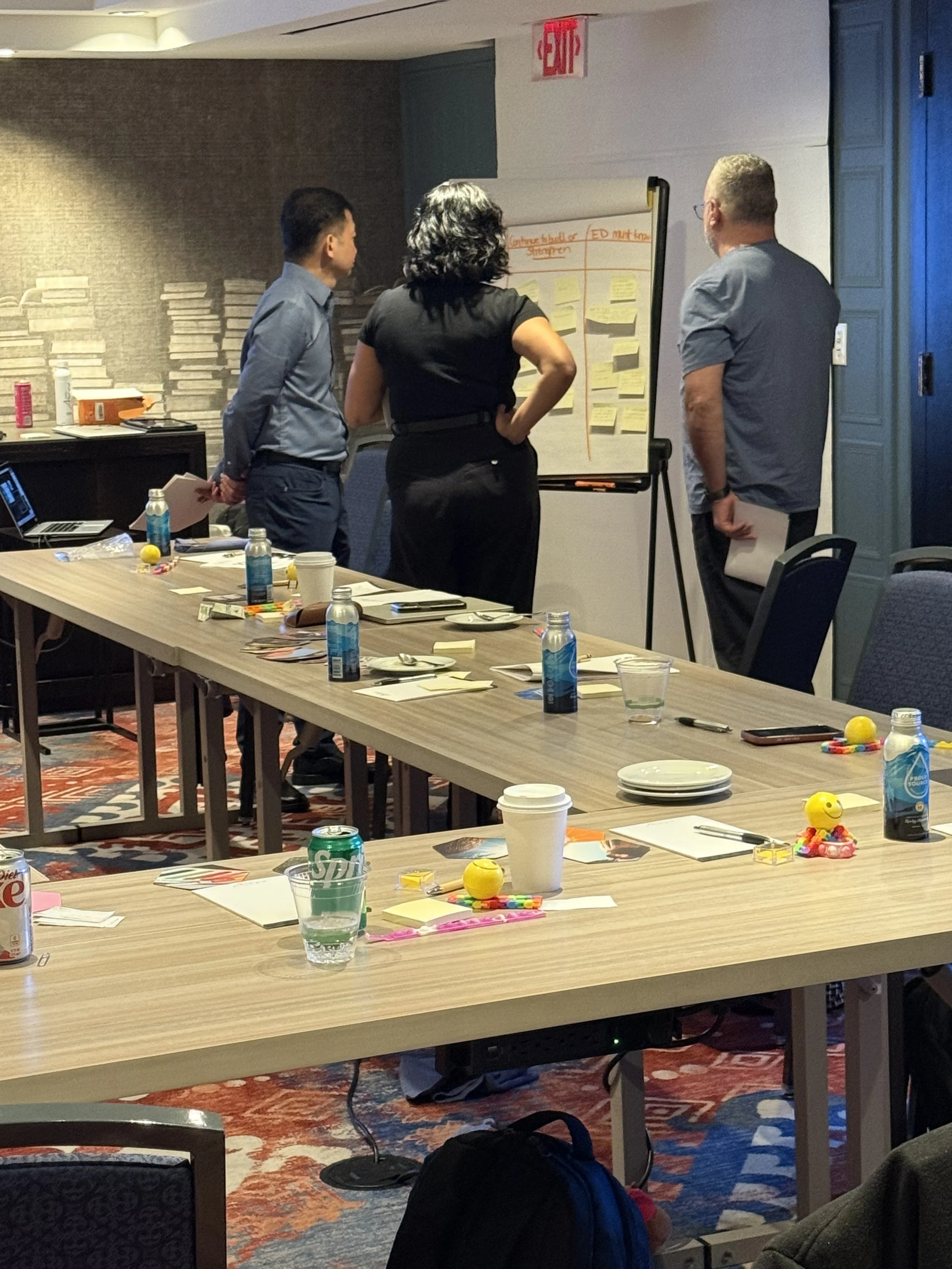
We design workforce capacity as civic infrastructure, not a program afterthought. This includes constructing sustainable talent pipelines, defining roles with implementation precision, building supervisory and learning supports, and aligning employers, training providers, and public agencies around shared workforce outcomes.
What We Build:
Workforce pathway design: Career lattices aligned to system needs, with competency frameworks, credential requirements, wage progression models, and institutional partnership structures
Role architecture and capacity planning: Defining positions with operational clarity (decision authority, accountability, supervision relationships, data responsibilities), staffing models based on implementation load analysis, and competency requirements tied to actual job functions
Implementation support systems: Supervision protocols, reflective practice structures, communities of practice, and continuous learning loops that sustain quality and prevent burnout
Employer-intermediary-agency alignment: Partnership frameworks that connect training providers, employers, and public systems around shared outcomes, including placement standards, advancement pathways, and data integration
Retention and sustainability infrastructure: Compensation analysis, career advancement structures, workplace culture assessments, and institutional supports that reduce turnover and build durable capacity
4) Measurement, Learning, and Developmental Evaluation
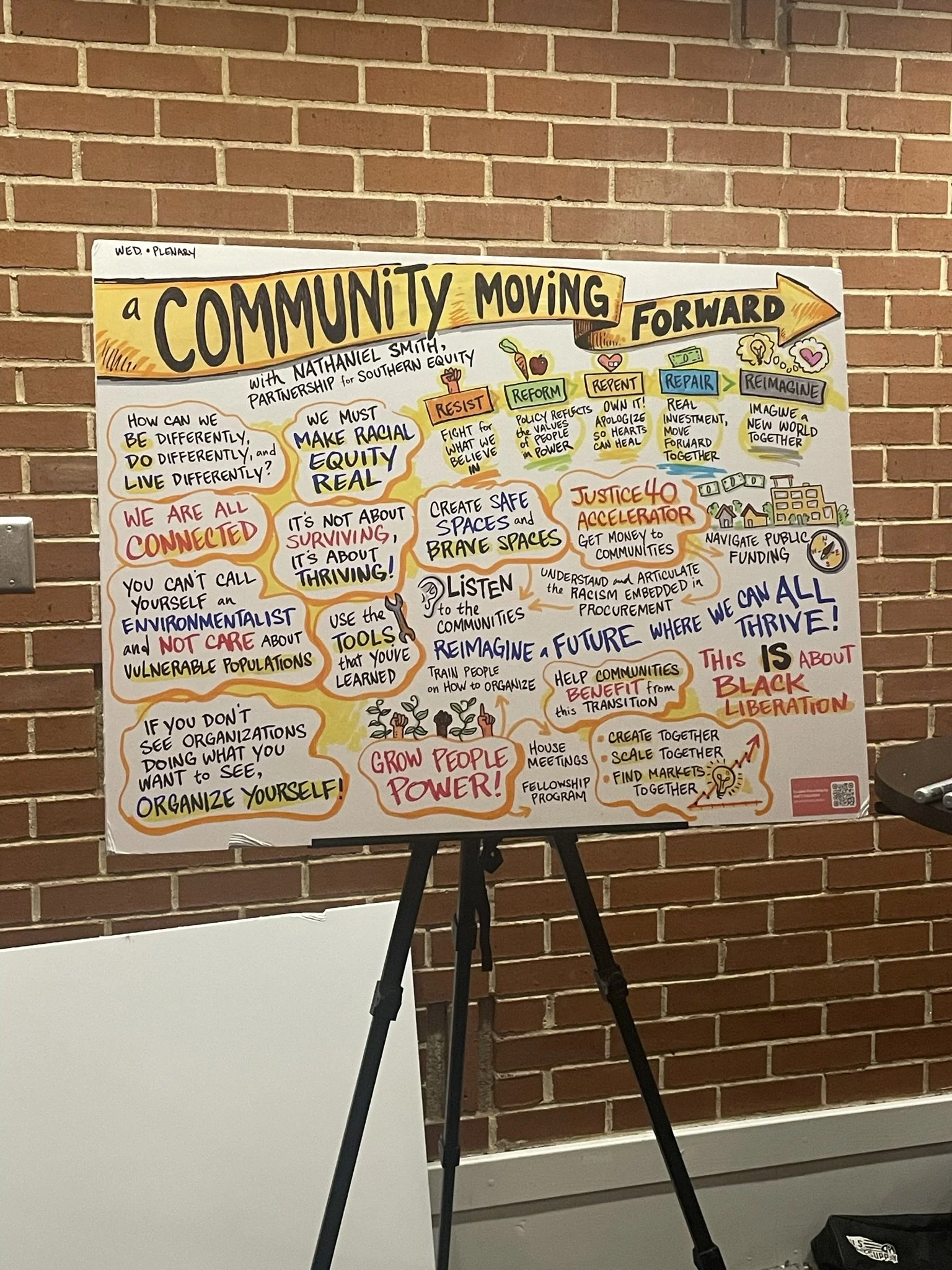
We build measurement as an adaptive learning system, not a compliance ritual. This includes designing evaluation that informs real-time decision-making, creating feedback loops that surface implementation challenges before they become failures, and constructing sensemaking processes that allow systems to evolve without destabilizing.
What We Build:
Developmental evaluation design: Measurement frameworks appropriate for complex, adaptive initiatives where outcomes emerge over time and learning matters more than proving predetermined success
Learning agenda development: Structured inquiry processes that surface critical uncertainties, test assumptions, and guide resource decisions based on evidence rather than momentum
Practical metrics and dashboard design: Indicators tied to actual decision points (budget allocation, program adjustment, partnership evaluation), with data collection integrated into workflow rather than added as reporting burden
Feedback system architecture: Protocols for capturing frontline intelligence, surfacing implementation barriers, and translating operational data into strategic adjustments
Sensemaking and adaptive iteration: Facilitated sessions where stakeholders interpret data collectively, adjust theory of change, and modify implementation based on emerging evidence
5) Trauma-Informed Systems Training
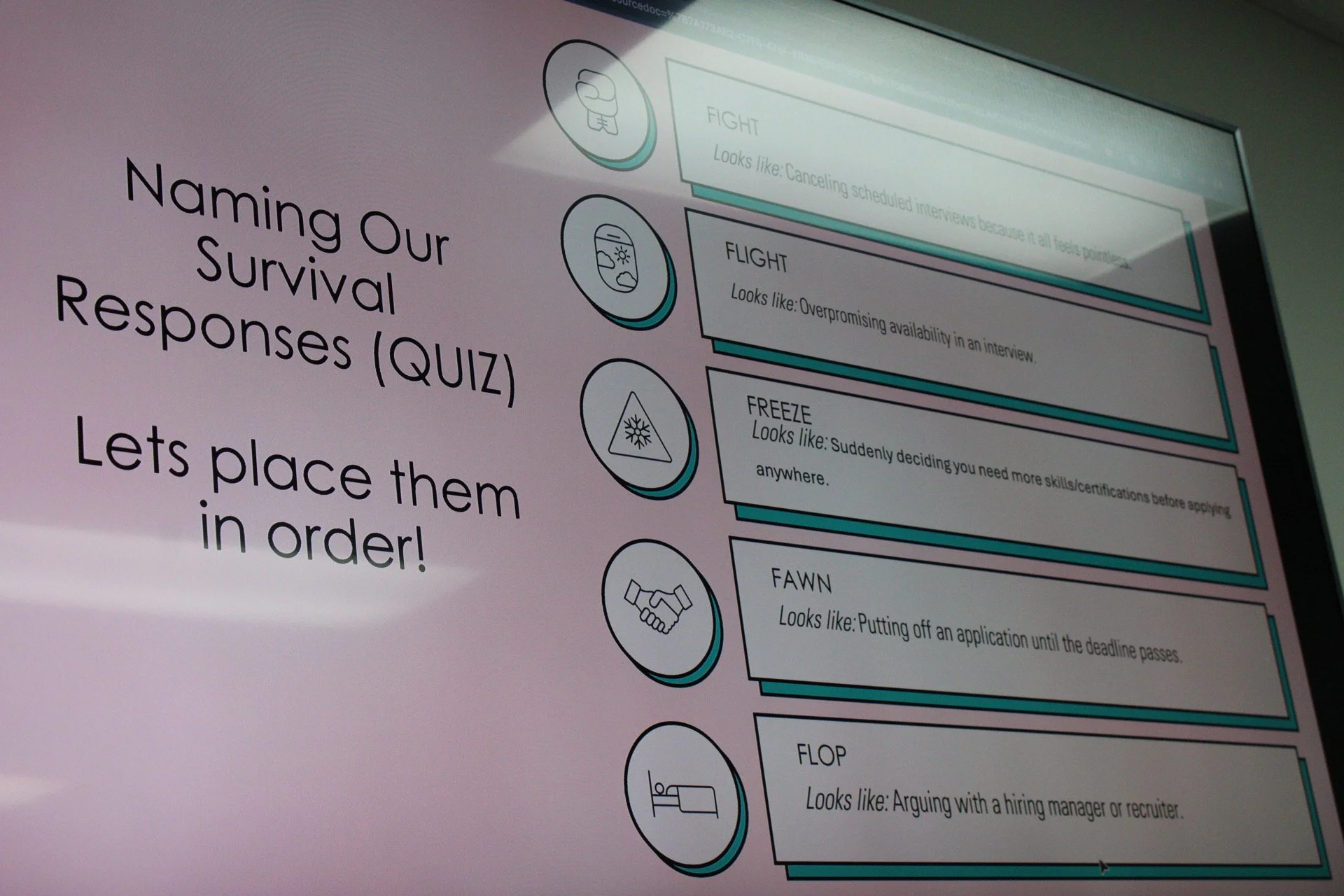
We build organizational and workforce capacity to operationalize trauma-informed systems. This goes beyond awareness to embed trauma-informed practice into supervision, decision-making, service delivery, and institutional culture. We design training as infrastructure development, not one-time events, ensuring trauma awareness translates into sustained operational change.
What We Build:
Trauma Awareness Training (TAT): Flagship training delivered at multiple levels: full-day organizational transformation (8 hours), half-day leadership intensive (4 hours), 90-minute team briefings, or customized modules. Builds foundational understanding of how trauma operates in individuals, organizations, and systems.
Specialized Trauma-Informed Training Modules: Targeted training on trauma-informed supervision, trauma-responsive crisis intervention, secondary trauma and burnout prevention, trauma-informed data practices, and healing-centered organizational culture. Designed to address specific implementation challenges.
Technical Assistance and Implementation Support: Ongoing TA to integrate trauma-informed principles into policies, workflows, supervision structures, and performance management. Includes coaching for leadership, troubleshooting implementation barriers, and embedding trauma awareness into organizational operations.
Multi-Session Training Sequences: Structured learning pathways for organizations building long-term trauma-informed capacity. Includes baseline training, advanced practice modules, and integration support over 3-12 months to ensure sustained adoption.
Train-the-Trainer Programs: Building internal capacity for organizations to deliver trauma-informed training sustainably. Includes curriculum transfer, facilitation skill development, and ongoing consultation to maintain quality and fidelity.
System-Level Impact
When equity infrastructure, prevention ecosystems, workforce systems, and adaptive measurement are designed as a single operating system, institutions shift from reactive programming to structural governance.
Governance shifts from symbolic commitments to operational accountability. Decision rights are clarified, incentives are aligned, and inequitable patterns become visible and correctable.
Prevention shifts from downstream program proliferation to upstream structural intervention. Action is guided by causal analysis rather than urgency alone.
Workforce systems shift from chronic burnout and staffing gaps to durable civic capacity. Roles are defined with implementation precision, supports are embedded, and career pathways align with mission execution.
Measurement shifts from compliance reporting to institutional intelligence. Data informs real-time decision-making, feedback loops surface implementation barriers early, and learning becomes a structural asset rather than an afterthought.
Trauma-informed capacity shifts from awareness events to operational infrastructure. Staff and leadership integrate trauma recognition into daily practice, supervision structures prevent secondary trauma and burnout, and healing-centered approaches are embedded into service delivery and organizational culture rather than treated as optional add-ons.
The result is not a new initiative. | It is a different operating logic.
Equity becomes executable.
Prevention becomes coordinated.
Workforce capacity becomes infrastructure.
Measurement becomes intelligence.