


The Doctrine: Infrastructure for Durable Equity
Traditional strategy often stops at intention. Institutions adopt equity language without redesigning the underlying mechanisms that produce inequity. At the Center for Equity, Prevention & Workforce Systems (CEPWS), we believe that Equity is structural. If inequities persist, it is because the system is currently designed to reproduce them.
We operate as a systems design lab. We do not begin with programs; we begin with Architecture.
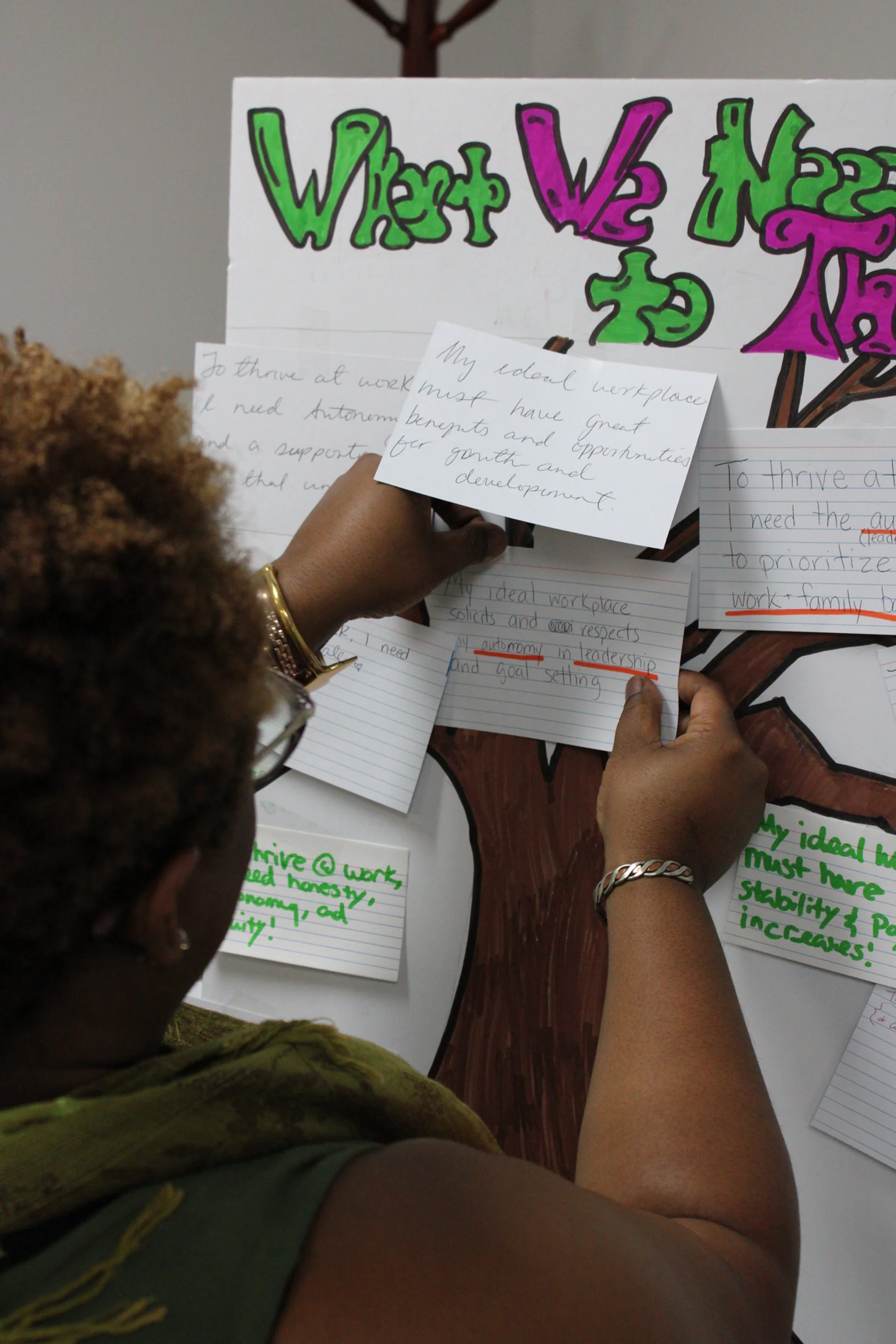
Moving from Aspirational Intent to Operational Reality
Infrastructure Shapes Behavior: A system’s design has more influence over outcomes than the individual intentions of its actors.
Prevention Requires Upstream Design: Sustainable wellness is not a reaction to crisis; it is the result of intentional, upstream structural alignment.
Frontline Intelligence is Governance: Durable systems integrate the expertise of those closest to the work into the formal rules of the institution.
Measurement is for Learning: Data should inform real-time pivots and structural evolution, not just compliance reporting.
Our Core Axioms
The Three Domains of System Stability
We integrate three interdependent domains into a single, high-fidelity implementation model. When these domains function together, community wellness becomes durable, not just aspirational.
1. Equity Infrastructure & Governance
We architect the formal decision-making systems that translate equity commitments into operational reality.
What We Build: Governance bodies with defined decision rights, conflict resolution protocols, and accountability mechanisms that connect executive authority to community outcomes.
2. Prevention Ecosystems & Systems Mapping
We diagnose how harm is produced and prevented, using causal analysis to surface the leverage points that standard strategic planning misses.
What We Build: Visual systems maps and structural risk diagnostics that identify policy gaps, resource misalignment, and coordination failures before they trigger a crisis.
3. Workforce Systems Architecture
We design workforce capacity as civic infrastructure, not a program afterthought.
What We Build: Sustainable talent pipelines, role architecture with implementation precision (decision authority and supervision models), and trauma-wise staffing pathways that prevent burnout and reduce turnover.
Current Implementation: We are currently stress-testing these workforce models within a multi-million dollar regional economic mobility portfolio to stabilize participant outcomes and ensure long-term retention.
Our Implementation Process: Diagnose, Design, Deploy
We move institutions through three integrated phases to ensure that change is embedded into the organizational DNA.
Diagnose: Map structural risk and protective conditions across policy, data, and cross-sector alignment.
Design: Build the operating infrastructure—decision rights, measurement systems, and coordination protocols.
Deploy: Implement in phases, embedding the feedback loops and routines that sustain execution long after the "initiative" ends.
Governance shifts from symbolic commitments to operational accountability.
Prevention shifts from downstream reactions to upstream intervention.
Workforce shifts from chronic burnout to durable civic capacity.
Measurement shifts from compliance to institutional intelligence.
Durable systems protect people. Temporary programs manage optics. At CEPWS, we build the infrastructure that converts intention into outcome.
When you shift from reactive programming to structural governance, the institution changes: